

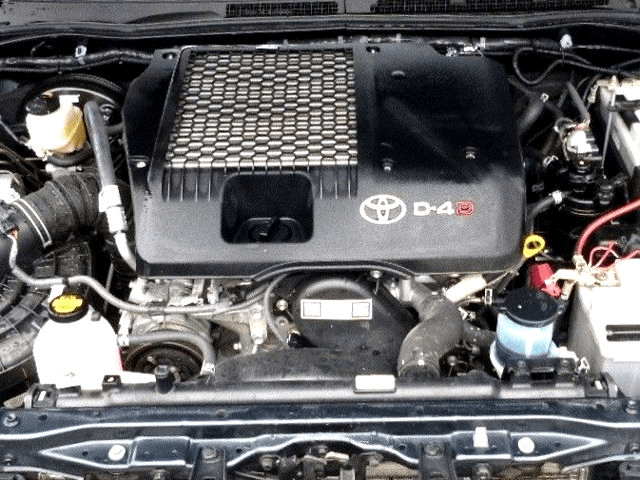
The injector balance rate test (also called injection feedback values or correction values) is a key diagnostic tool for Toyota Hilux owners with the 1KD-FTV 3.0L common rail diesel engine. In Australia, where these utes (like the KUN26, N70, or later models) rack up high kilometres on dusty outback roads and variable fuel quality, injector balance rate test helps spot failing Denso injectors early often before major symptoms like cold knock, rough idle, black smoke, or poor economy appear. Using a scan tool such as Toyota Techstream, Launch X431, or similar professional equipment available at diesel specialists (e.g., Diesel Geeks), you can monitor how much the ECU compensates for each injector’s performance.
What the Injector Balance Rate Test Measures
- It shows the ECU’s real-time correction (in mm³/stroke) for each of the four injectors to maintain smooth engine operation at idle.
- Positive values mean the injector is under-delivering fuel (ECU adds more), while negative values mean over-delivering (ECU reduces fuel).
How to Perform the Test Properly
- Readings need to be taken cold, during warm up and when at operating temperature.
- Connect a compatible scan tool, navigate to live data for the engine ECU, select parameters like “Injection Feedback Val.” or “Injector Correction” for cylinders 1 to 4, and record values after stabilisation.
How to Read and Interpret the Results
- Ideal range for a healthy 1KD-FTV is within ±2.0 to ±3.0 mm³/stroke across all injectors values here indicate good balance and no immediate issues.
- Deviations beyond ±3.0 to ±4.0 mm³ (especially if one injector stands out) signal wear, sticking, or impending failure common in Australian conditions with poor fuel or high km.
- Always compare against injection volume (typically 5.5 to 10 mm³ at idle) and fuel pressure (32,000 to 35,000 kPa) for full context. New injectors will have an injection volume of 5.5-6mm3. Old and tired injectors can be out to 12+. So its possible that they’re balanced, but tired.
What High or Uneven Balance Rates Mean
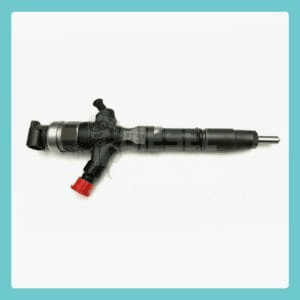
- A single injector showing +4.0 or higher (or -4.0 or lower) often points to that unit needing attention could be command piston wear, nozzle issues, or contamination.
- Consistent spread beyond specs usually means it’s time for a full set replacement rather than one, to avoid imbalance and repeat repairs soon after.
Additional Tips for Australian Owners
- Test regularly every 10,000 – 20,000 km if your Hilux sees heavy use or questionable diesel – early detection saves thousands on full injector jobs.
Recommended Products from Diesel Geeks
If your injector balance rate test are drifting outside spec, it’s worth addressing the issue early before it turns into a full injector failure or piston damage. At Diesel Geeks, we recommend checking out genuine and high-quality replacement Denso injectors for the Toyota Hilux 1KD-FTV, along with injector seal kits, return line components, and suction control valves (SCVs), as these commonly contribute to rough idle, cold knock, excessive smoke, and poor fuel economy on high-kilometre Hiluxes.
Pairing injector replacement with a fresh fuel filter and proper injector coding gives the best long-term reliability, especially for Australian utes dealing with harsh conditions, towing, dusty roads, and inconsistent fuel quality. Regular diagnostics and preventive maintenance now can save thousands later on major common rail repairs.
Conclusion
- The injector balance rate test is an essential, non-invasive way for Australian Hilux 1KD-FTV owners to monitor injector health, catch problems early with a good scan tool and professional interpretation to extend engine life and avoid costly breakdowns on remote trips.
- If readings exceed ±3.0 to ±4.0 mm³ consistently, consult a trusted diesel specialist for coding, replacement, or further diagnosis. Preventive action now often costs far less than a full failure later.
- For more such content and visual guides please follow Diesel Geeks on YouTube
Frequently Asked Questions
- What scan tool do I need for the 1KD balance rate test in Australia?
Toyota Techstream (official), Launch X431, or equivalent professional tools work best – many Aussie diesel shops use these for accurate live data. - Are balance rates the same as correction codes or compensation values?
Yes, they’re often labelled as Injection Feedback Values or Correction Values in Techstream, showing ECU adjustments per injector. - What if one injector is way out, but the others are fine?
It’s usually a sign that the injector is failing. Replacing just one is possible but rare; most experts recommend all four to maintain even performance. - How often should I check balance rates on my Hilux 1KD?
Every 10,000 to 20,000 km or if you notice rough idle, cold knock, smoke, or economy drop, especially with high-km utes in harsh Australian conditions.
Can bad balance rates cause engine damage if ignored?
Yes, uneven delivery leads to imbalance, increased wear, potential piston/ring issues, or even rail pressure problems over time.